
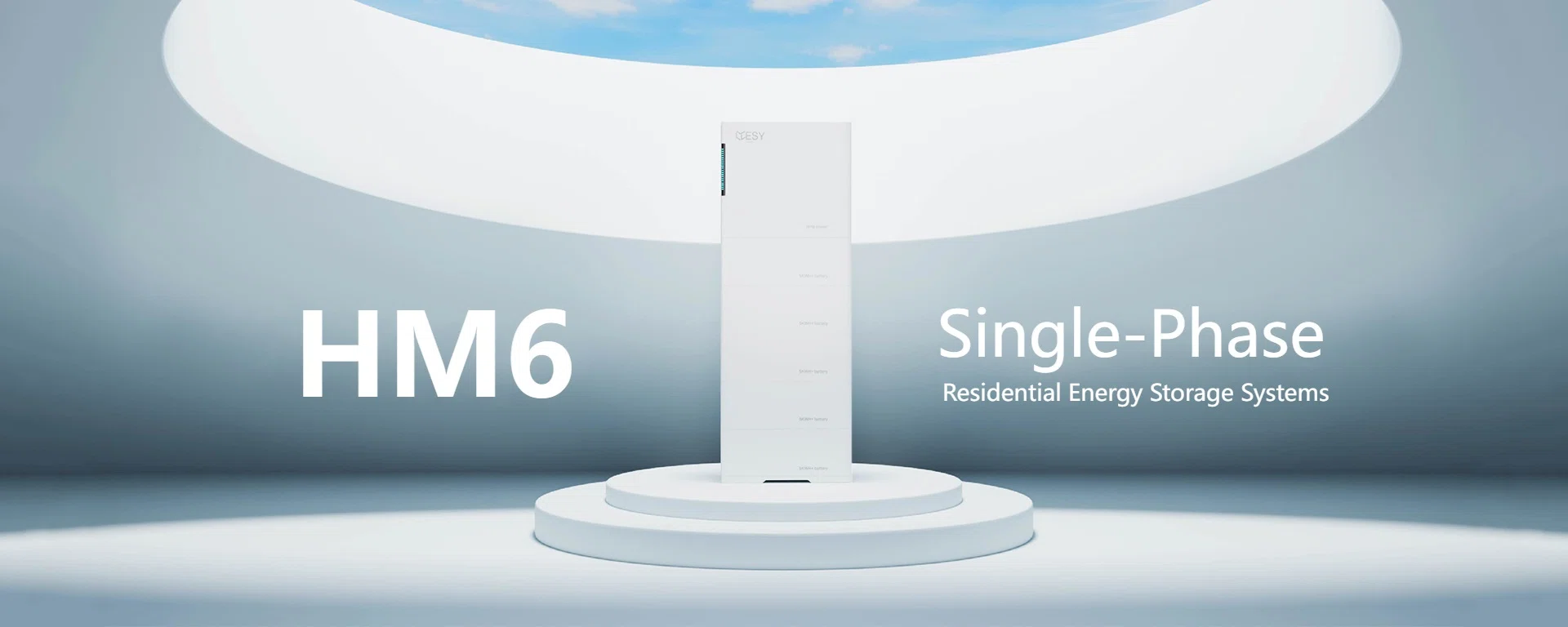
An 8kW solar array paired with a 6kW inverter can provide higher annual energy production by increasing the DC-to-AC ratio to about 1.33. This configuration allows better solar harvesting during mornings, afternoons, and lower irradiance periods while keeping inverter costs controlled. When the PV voltage, current limits, and battery specifications are correctly matched, the system can achieve efficient residential energy management.
An 8kW PV array does not produce 8kW of power throughout the day. Solar panels reach their rated output only under standard test conditions of 1000W/m² irradiance and 25°C cell temperature. In real installations, module temperature often rises above 45°C, reducing output by approximately 10% to 15% depending on panel technology. A larger PV array connected to a smaller inverter helps compensate for these production losses.
The DC-to-AC ratio is the main parameter used to evaluate this design. A 6kW inverter connected with 8kW of solar modules creates a ratio of 1.33. Residential systems commonly use ratios between 1.2 and 1.4 because solar generation stays below peak rating for most operating hours.
| Solar Array Size | Inverter Rating | DC-to-AC Ratio | Typical Use |
|---|---|---|---|
| 6kW | 6kW | 1.00 | Balanced output |
| 7.5kW | 6kW | 1.25 | Higher production |
| 8kW | 6kW | 1.33 | Common oversizing design |
| 9kW | 6kW | 1.50 | Requires careful checking |
The reason for increasing PV capacity is related to daily generation patterns. A rooftop solar system may produce only 20% to 40% of its rated output during early morning hours, while afternoon production gradually decreases after peak sunlight. With an 8kW array, the inverter reaches its rated output earlier and maintains higher production for a longer period.
A 6kW inverter does not need an 8kW solar array to produce 6kW continuously. The larger array helps the inverter operate closer to its rated capacity across more hours of the year.
Solar clipping is the main limitation of this configuration. When the panels generate more electricity than the inverter can process, the excess DC power is reduced. For example, if the PV array produces 7.8kW at noon and the inverter output limit is 6kW, approximately 1.8kW cannot be converted at that moment.
However, clipping usually occurs during limited periods. Studies of residential solar systems in markets such as the United States and Australia show that moderate DC oversizing between 120% and 140% can increase annual energy production because the system gains more output during non-peak periods than it loses during short clipping events.
The inverter specification must be reviewed before installation. An 8kW solar array connected to a 6kW inverter requires checking several electrical parameters:
-
Maximum PV input power
-
Maximum DC voltage
-
MPPT operating range
-
Maximum input current per MPPT
-
Battery charging limits
-
Grid connection requirements
For example, if a hybrid inverter supports 8kW or more of PV input power and the string voltage remains within the MPPT range, the system can normally operate correctly. If the PV voltage exceeds the inverter limit, the equipment may stop accepting solar input during certain conditions.
Battery storage changes the operating pattern of the system. Hybrid inverters can send solar energy to household loads, charge batteries, or export electricity to the grid. With a larger PV array, batteries can receive more charging power during short sunlight periods.
A household using a 10kWh battery may benefit from an 8kW array because the battery can reach a higher state of charge earlier in the day. During winter months, when solar production can decrease by 30% to 50% compared with summer conditions in some regions, additional PV capacity helps maintain charging performance.
The selection of a suitable 6kW inverter also depends on future electricity demand. Many homeowners add electric vehicles, heat pumps, or additional appliances after installing solar systems. A larger PV array provides additional generation capacity without requiring immediate replacement of the inverter.
Roof conditions influence the performance of this design. A south-facing roof with a 30° to 40° tilt may produce closer to rated output, while east-west roof layouts usually spread production across more hours. In an east-west installation, an 8kW array may produce lower peak power but deliver a longer generation period, reducing the impact of inverter clipping.
Weather conditions also affect the ideal PV-to-inverter ratio. In areas with frequent cloudy conditions, panels rarely reach maximum output, so a higher DC-to-AC ratio can improve yearly energy production. In regions with strong sunlight and clear skies, clipping may occur more often, requiring closer evaluation.
The economic comparison usually favors additional panels over a larger inverter. Solar modules often represent a smaller portion of total system cost compared with installation labor, electrical equipment, and battery components. Increasing PV capacity by 2kW may provide more annual energy than upgrading from a 6kW inverter to an 8kW model, depending on local equipment pricing.
System monitoring data should be reviewed after installation. If clipping accounts for only 1% to 5% of annual solar production, the oversizing strategy is generally performing as expected. If clipping reaches 10% or higher, installers may need to review panel orientation, string design, or inverter capacity.
A properly designed 8kW solar array with a 6kW inverter can provide a practical balance between equipment cost and energy production. The 33% DC oversizing allows the inverter to operate efficiently during more hours of the year while supporting battery charging and future household electricity needs. Correct electrical matching and local solar conditions determine the final performance of the system.